CYCLING KNEE PAIN PHYSIOTHERAPY NEWCASTLE
Ride Stronger. Move Comfortably. Get Back to Loving Your Cycling.
Knee pain can turn an enjoyable ride into a frustrating experience. Whether you're riding on the road, exploring gravel trails, training indoors or preparing for an event, discomfort around your knee can limit your performance and enjoyment.
At Up N Adam Performance Training & Physiotherapy in Hamilton North, Newcastle, we combine clinical assessment with an understanding of cycling biomechanics, training demands and bike setup.
Whether your pain develops after longer rides, appears during hard efforts or has persisted despite adjustments to your bike, our physiotherapists can help identify contributing factors and develop a plan to get you riding comfortably again.
Understand your knee pain. Optimise your position. Ride with confidence.
Understand Your Cycling Knee Pain. Find a Better Way Forward.
Cycling involves thousands of repeated knee movements during every ride. Although cycling is generally a low-impact activity, discomfort can develop when training demands, physical capacity or bike position contribute to excessive irritation.
Our approach combines clinical assessment, progressive rehabilitation and cycling-specific analysis where appropriate.


Understand What's Causing Your Pain
We assess your symptoms, knee movement, muscular strength, cycling history and training demands to identify likely contributing factors.

Restore Comfort on the Bike
Treatment may include targeted exercises, training-load modification and appropriate adjustments to your riding position to help reduce aggravating demands.
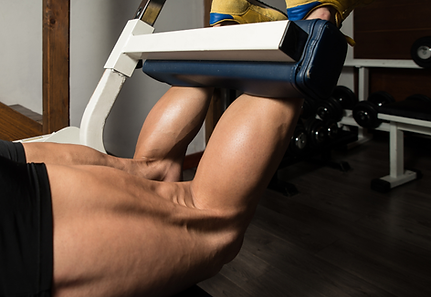

Build Strength for Better Riding
Progressive lower-limb strengthening helps improve your capacity to tolerate cycling demands, from recreational riding to climbing, racing and endurance events.
Your Pathway From Knee Pain to Confident Cycling
Successful rehabilitation starts with understanding both the cyclist and the bike.
We discuss your symptoms, cycling history, training volume, recent changes and goals before assessing knee movement, strength and relevant functional tasks.
Where appropriate, we assess your cycling position and biomechanics alongside clinical findings to identify potential contributing factors and develop a treatment plan.
Your rehabilitation may include progressive quadriceps, hamstring and hip strengthening, training-load adjustments and relevant bike-position modifications.
We guide your progression back towards longer rides, hills, higher-intensity training and events based on your symptoms, physical capacity and goals.
Your Knee and Your Bike Need to Work Together.
Cycling knee pain isn't always solved by changing saddle height or cleat position alone. Understanding the interaction between your physical capacity, training demands and bike setup helps guide a more complete solution.
PERSONALISED CYCLING KNEE REHABILITATION
More Than a Bike Fit. More Than Pain Relief.
Cycling knee pain can be influenced by several factors, including muscular capacity, training loads, pedalling demands and bike position.
At Up N Adam, we combine clinical physiotherapy assessment with cycling-specific knowledge to understand how your knee functions both on and off the bike.
Where appropriate, we assess saddle height, saddle fore-aft position, cleat setup and lower-limb movement during pedalling. Our cycling analysis and professional bike fitting services allow us to examine relevant aspects of your riding position.
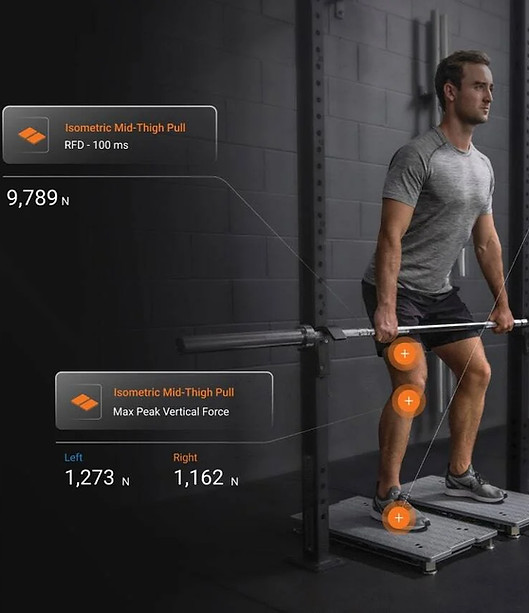
We may also use VALD strength testing to assess quadriceps, hamstring and hip strength, helping guide individualised rehabilitation.
Our goal is to help you understand your knee pain, improve your physical capacity and find a sustainable pathway back to comfortable, confident cycling.
Cycling Knee Pain Conditions We Assess and Treat
The location and behaviour of knee pain can provide useful clues, but accurate assessment is important to identify the contributing factors and determine appropriate management.
The goal isn't simply to adjust your bike — it's to understand your knee, improve your physical capacity and help you ride comfortably for the long term.
Pain around or behind the kneecap can develop during cycling, particularly with changes in training demands or riding position. We assess knee strength, loading and relevant bike-fit factors to guide rehabilitation.
Pain on the outside of the knee can be associated with iliotibial band syndrome or other conditions. We assess training demands, lower-limb strength and cycling position to help identify relevant contributing factors.
Pain on the inside of the knee may arise from several structures, including tendons, joint tissues or ligament-related conditions. We assess your symptoms, physical capacity and relevant cycling factors to guide management.
Pain around the tendons above or below the kneecap can be aggravated by repeated or high-force cycling efforts. We assess tendon loading, strength and training demands before developing a progressive rehabilitation plan.
Climbing, low-cadence efforts and increases in training intensity can place greater demands on the knee. We review your training progression, strength and cycling position to help guide appropriate modifications.
If you've already changed your saddle, cleats or riding position but knee pain persists, there may be other contributing factors. We combine clinical assessment with cycling analysis where appropriate to develop a more complete management plan.
Experienced Care. A Cycling-Specific Approach.
Our team combines physiotherapy, objective strength testing and cycling analysis to help riders understand their symptoms and return to the bike with confidence.