CYCLING LOWER BACK PAIN PHYSIOTHERAPY NEWCASTLE
Ride Stronger. Reduce Back Pain. Get Back to What You Love.
Lower back pain can turn an enjoyable ride into an uncomfortable experience. Whether your back tightens during longer rides, becomes painful on climbs or makes it difficult to maintain your preferred cycling position, the problem can affect both your comfort and performance.
At Up N Adam Performance Training & Physiotherapy in Hamilton North, Newcastle, we look beyond the painful area to understand why your lower back is struggling with the demands of cycling.
By combining sports physiotherapy, cycling biomechanics, professional bike fitting and targeted strength rehabilitation, we help identify contributing factors and develop a plan suited to your body, your bike and your cycling goals.
Whether you're a recreational cyclist, weekend bunch rider, triathlete or competitive athlete, our goal is to help you ride more comfortably, confidently and consistently.

Understand your back pain. Optimise your position. Ride with confidence.
Understand Your Back Pain. Build a Stronger Ride.
Cycling places sustained demands on your lower back, pelvis and surrounding muscles. Discomfort often develops through a combination of riding position, physical capacity, movement characteristics and training demands.
Understanding the contributing factors is the first step towards a lasting solution.


Understand Why Your Back Hurts
We assess your symptoms, spinal and hip movement, strength, injury history and cycling demands to identify the factors contributing to your discomfort.
Our assessment considers both your clinical presentation and how your body responds to prolonged time on the bike.


Optimise Your Cycling Position
Saddle height, setback, handlebar reach and drop can influence the demands placed on your lower back.
Where appropriate, we assess your cycling biomechanics and bike setup to identify adjustments that may improve comfort without unnecessarily compromising your riding goals.

Build Strength for Longer Rides
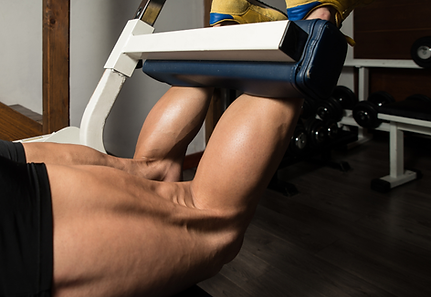
Your trunk, hip and posterior-chain muscles need sufficient strength and endurance to tolerate sustained cycling positions.
Targeted rehabilitation helps develop the physical capacity needed for longer rides, climbing and more demanding training sessions.
Your Pathway From Back Pain to Confident Cycling
Successful rehabilitation involves more than simply reducing pain. We help you understand your symptoms, address relevant contributing factors and progressively rebuild your capacity for the riding you enjoy.
We discuss your symptoms, injury history, cycling experience, bike setup, training demands and goals before assessing spinal movement, hip mobility, strength and relevant neurological function.
We explain our findings and develop an individualised management plan. This may include changes to riding duration, intensity, bike position or training load, alongside appropriate physiotherapy treatment.
Your rehabilitation may include targeted trunk and hip strengthening, posterior-chain development, movement control exercises and progressive muscular endurance training.
Where indicated, we incorporate cycling-specific position changes and biomechanics recommendations.
We progressively rebuild your tolerance for longer rides, sustained climbing, higher training intensities and your preferred riding position.
Our aim is to help you return to your cycling goals with improved comfort, physical capacity and confidence.
Don't Just Settle Your Back Pain. Build a Stronger Cyclist.
Your lower back may feel better after resting, but symptoms can return if the underlying demands of cycling still exceed your current capacity. By addressing relevant strength, mobility, bike position and training factors, we aim to help you build the resilience needed to enjoy cycling long term.

PERSONALISED CYCLING BACK PAIN REHABILITATION
More Than Pain Relief. Build the Capacity to Ride Further.
Lower back pain during cycling is rarely just about your back.
Your riding position, hip mobility, pelvic control, muscular endurance and training demands can all influence how your body tolerates time in the saddle.
At Up N Adam, we combine clinical physiotherapy assessment with cycling-specific analysis to understand how these factors interact.
Where appropriate, we assess your cycling position on a trainer, examining saddle position, handlebar reach, spinal posture, pelvic movement and how your body responds to the demands of riding.
We may also use objective VALD strength testing, including dynamometry and ForceDecks where clinically relevant, to assess physical capacity and guide rehabilitation progression.
Your program may include targeted trunk and hip strengthening, posterior-chain development, movement retraining and progressive exposure to longer or more demanding rides.
Importantly, we understand that cyclists want to keep cycling.
Where clinically appropriate, we work with you to modify your training rather than unnecessarily stopping the activity you love.
Our goal is not simply to get you through your next ride — it's to help you build the strength, endurance and confidence to enjoy cycling for years to come.
Cycling Back Pain Problems We Assess and Treat
Not all cycling-related lower back pain has the same cause. Understanding your symptoms, physical capacity, bike position and training demands helps guide an appropriate treatment and rehabilitation plan.
The goal isn't simply to get through a ride without pain — it's to build the strength, movement capacity and confidence to enjoy the cycling challenges that matter to you.
Back discomfort that gradually develops during longer rides may reflect sustained positional demands, muscular fatigue, bike setup or other contributing factors.
We assess your spinal and hip function, riding position and training tolerance to develop an individualised rehabilitation plan.
Pain when riding in the drops or maintaining a low position can be influenced by handlebar reach, drop, pelvic movement and your ability to tolerate sustained spinal positions.
We assess your physical capacity alongside your bike setup to identify appropriate changes.
Long seated climbs and sustained power efforts can place additional demands on the trunk, hips and surrounding muscles.
We consider your climbing position, training load, strength and endurance to help improve your tolerance for hills.
Some cyclists experience back pain whenever they increase their riding distance, intensity or weekly training volume.
We assess relevant physical and training factors, then develop a progressive plan to help you build capacity rather than repeatedly cycling through pain and rest.
Saddle height, setback, handlebar reach and drop may influence comfort and spinal loading during cycling.
Our cycling assessment considers the relationship between your body and bicycle, with adjustments guided by your symptoms, physical characteristics and riding goals.
Ongoing lower back pain may involve spinal, muscular, joint-related or neurological factors that require a more detailed clinical assessment.
We assess your symptoms and function, screen for conditions requiring further investigation and guide appropriate treatment or referral where indicated.
Experienced Care. A Cycling-Specific Approach.
Our physiotherapists combine clinical assessment, cycling biomechanics, objective testing and progressive rehabilitation to help cyclists manage back pain and return to the riding they enjoy.