PLANTAR FASCIITIS PHYSIOTHERAPY NEWCASTLE
Take Your First Steps Without Heel Pain Holding You Back.
That sharp pain under your heel when you first get out of bed can make even simple activities frustrating. Plantar fasciitis can affect walking, standing at work, running and enjoying everyday life.
At Up N Adam Performance Training & Physiotherapy in Hamilton North, Newcastle, we take the time to understand your symptoms, assess your foot and lower-limb function, and identify factors that may be contributing to your pain.
Whether your heel pain has recently developed, keeps returning or is preventing you from running and exercising, our physiotherapists can help you develop a clear pathway towards improved comfort, strength and confidence.

Comfortable steps. Stronger feet. Confidence to keep moving.
Understand Your Heel Pain. Build a Stronger Recovery.
Plantar fasciitis, also called plantar fasciopathy, commonly causes pain beneath the heel, particularly during the first steps after rest.
The plantar fascia is a strong band of connective tissue supporting the arch of your foot. Symptoms can develop when its capacity to tolerate loading is exceeded.
Our approach combines careful assessment, appropriate treatment and progressive rehabilitation to help you move more comfortably.


Understand What's Causing Your Pain
We assess your symptoms, foot and ankle movement, calf strength and activity demands to help identify the likely cause of your heel pain and guide treatment.


Reduce Pain and Restore Comfortable Movement
Treatment may include activity modification, footwear advice, plantar fascia-specific stretching and other appropriate strategies to help manage symptoms while maintaining suitable activity.


Build Strength for the Long Term
Progressive strengthening of the calf, foot and lower limb helps improve your capacity for walking, standing, running and other activities.
Your Pathway From Heel Pain to Confident Movement
Successful plantar fasciitis rehabilitation involves understanding your symptoms, managing aggravating loads and progressively rebuilding your capacity for activity.
We discuss your symptoms, daily activities, footwear, training history and goals before assessing foot and ankle movement, strength and relevant clinical signs.
We explain our findings and develop an individualised management plan, including advice on footwear, activity modification and appropriate symptom-relieving strategies.
Your rehabilitation may include plantar fascia-specific exercises, progressive calf strengthening and lower-limb conditioning tailored to your symptoms and goals.
Whether you're returning to comfortable walking, standing at work, hiking or running, we help you progressively rebuild your capacity for the activities that matter.
Heel Pain Shouldn't Decide How Far You Can Go.
Plantar fasciitis can be persistent, but with appropriate assessment, symptom management and progressive rehabilitation, many people can improve their comfort and return to the activities they enjoy.
PERSONALISED HEEL PAIN REHABILITATION
More Than Pain Relief. Rebuild Your Foot's Capacity.
Plantar fasciitis rehabilitation is about more than simply treating the painful heel. It involves understanding the loads placed on your foot and improving its ability to tolerate everyday and sporting demands.
At Up N Adam, we assess foot and ankle mobility, calf strength, lower-limb function, footwear and the physical requirements of your work or exercise.
Treatment may include plantar fascia-specific stretching, progressive resistance exercise, footwear modifications, taping or orthotic support where appropriate.
For runners, we may also review training loads and running mechanics, incorporating video running analysis when clinically relevant.
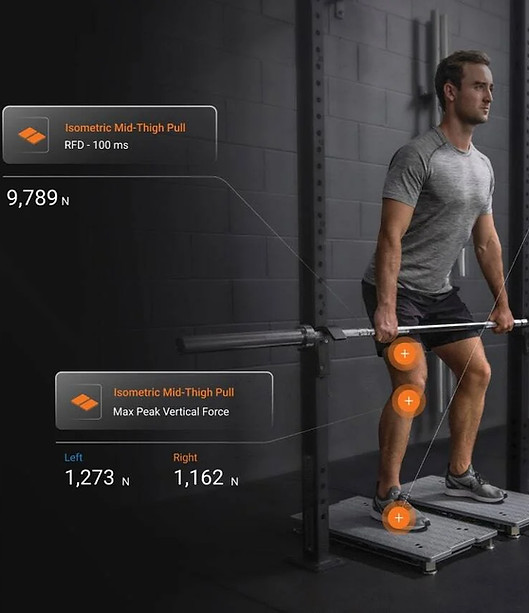
Where appropriate, VALD strength testing can help us measure lower-limb strength and guide exercise progression.
Our goal is to help you understand your heel pain, rebuild physical capacity and return to activity with greater confidence.
Heel and Foot Pain Conditions We Assess and Treat
Not all heel pain is plantar fasciitis. Accurate assessment helps identify the likely source of symptoms and determine an appropriate treatment approach.
The goal isn't simply to relieve your heel pain — it's to rebuild the strength and capacity that allows you to keep moving comfortably.
Plantar fasciopathy commonly causes pain beneath the heel, especially during the first steps in the morning or after sitting. We assess contributing factors and develop a plan combining symptom management and progressive loading.
Heel pain that repeatedly returns can affect walking, work and exercise. We review previous treatment, activity demands and physical capacity to help develop a more sustainable rehabilitation plan.
Running places repeated demands on the plantar fascia and surrounding structures. We assess training loads, calf strength and running-related factors to help guide rehabilitation and return to running.
Pain beneath the heel may sometimes arise from the heel's protective fat pad rather than the plantar fascia. We assess your symptoms and aggravating activities to guide appropriate cushioning, load modification and management.
Some heel or foot symptoms may involve irritation of nerves around the ankle or foot. We assess relevant neurological signs and determine whether further investigation or referral is appropriate.
Foot and heel pain can make prolonged standing, walking and work duties difficult. We consider footwear, activity demands and lower-limb function to help restore comfortable movement and physical capacity.
Experienced Care. A Personal Approach.
Our physiotherapists combine clinical assessment, progressive strengthening and individualised rehabilitation to help people with heel pain return to walking, running and everyday activities.